How to Properly Maintain Fire Extinguishers: Top Tips for Ensuring Your Safety
Fire extinguishers are among the most important pieces of safety equipment found in homes and workplaces across the United Kingdom. Yet despite their critical role, they are frequently overlooked until an emergency arises. Knowing how to select, position, and maintain them properly can make an enormous difference when it matters most.
What to know
- Fire extinguishers must be selected based on the specific type of fire risk present, such as electrical, chemical, or solid material fires.
- Proper placement is crucial, requiring extinguishers to be wall-mounted, clearly visible, and located near exits in accessible, unobstructed areas.
- Owners should conduct monthly visual inspections to check pressure levels, ensure the tamper seal is intact, and verify the unit has no physical damage.
- Annual professional servicing by a qualified technician is mandatory in the UK under British Standard 5306-3:2017 to ensure full compliance and functionality.
- Certain extinguisher types require specialized extended services or hydrostatic testing every five to ten years to address silent mechanical deterioration.
- Expired or damaged extinguishers must be disposed of through certified waste management services to comply with fire safety legislation.
- Comprehensive fire safety training is essential to ensure that occupants know how to operate extinguishers effectively during an emergency.
Understanding Fire Extinguishers and Their Role in Everyday Safety
When a small fire breaks out, having the right extinguisher to hand can prevent what might otherwise become a catastrophic incident. Fire safety equipment such as extinguishers exists precisely to give people those vital first moments to tackle a blaze before it takes hold. Understanding the basics of how they work, which type to use, and where to keep them is the foundation of any sensible fire hazard prevention strategy.
The Different Types of Fire Extinguishers and When to Use Them
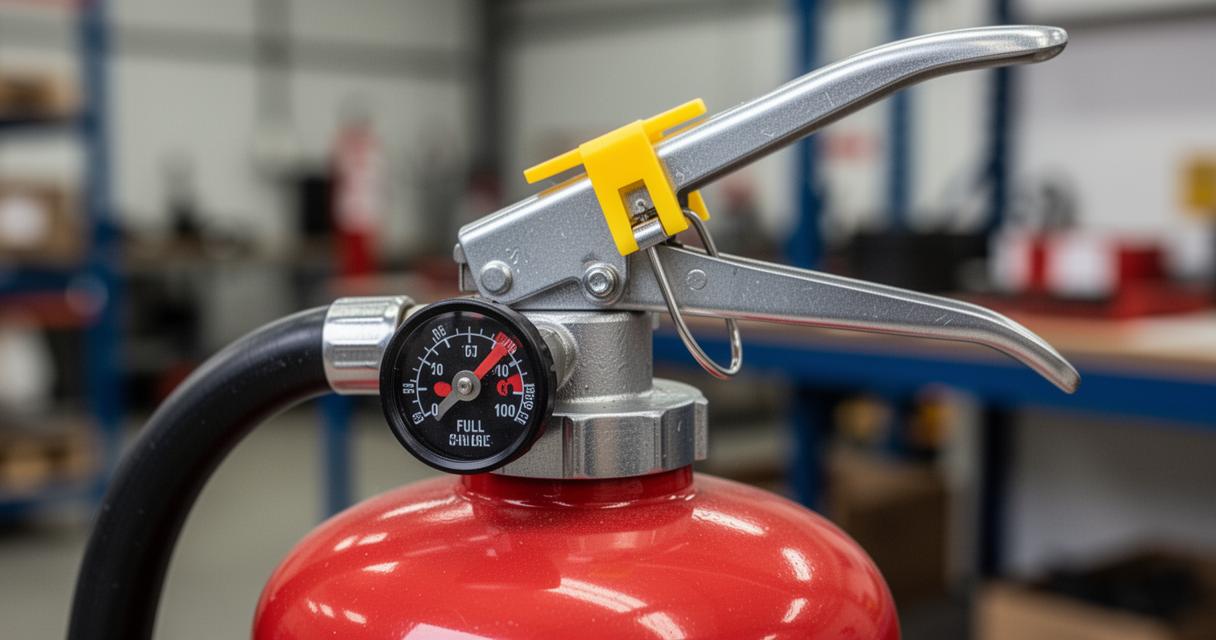
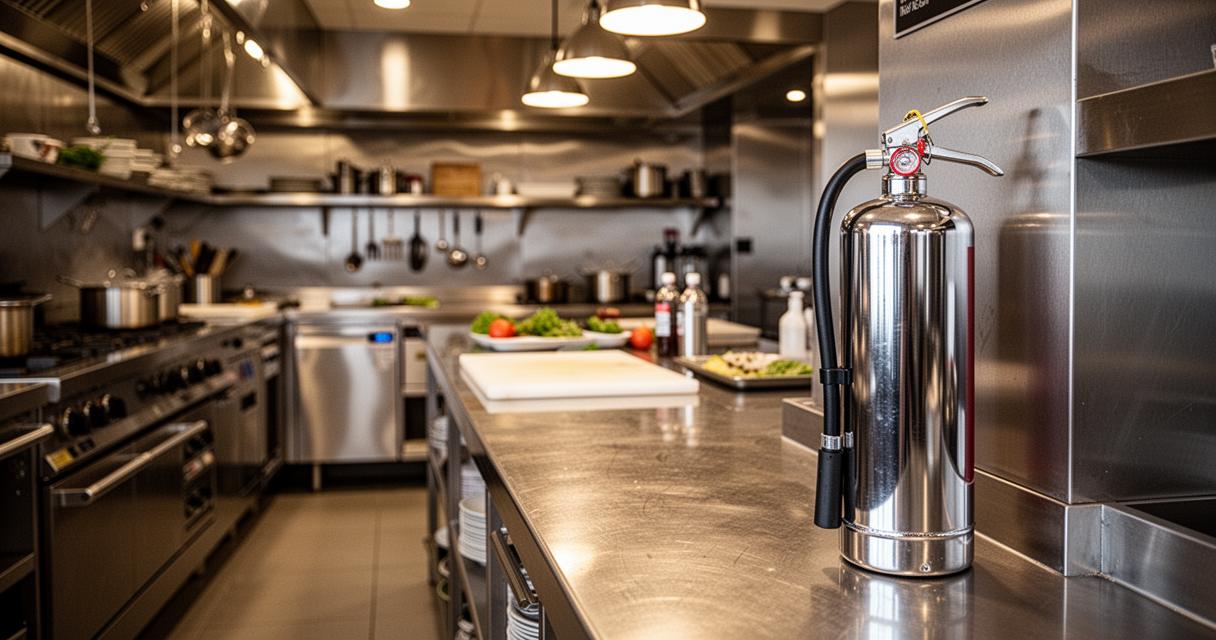
Not all fires are the same, and neither are the extinguishers designed to fight them. Water extinguishers are suited to fires involving solid materials such as wood and paper, while foam extinguishers handle flammable liquids effectively. Powder extinguishers offer broader coverage across multiple fire classes, and CO2 extinguishers are the appropriate choice for electrical fires and flammable liquids. Wet chemical extinguishers are specifically designed for cooking oil fires, making them a sensible option in commercial kitchens. Choosing the fire safety equipment that matches the fire risks present in a given environment is an essential part of responsible ownership.
Where to Position Fire Extinguishers in Your Home or Workplace
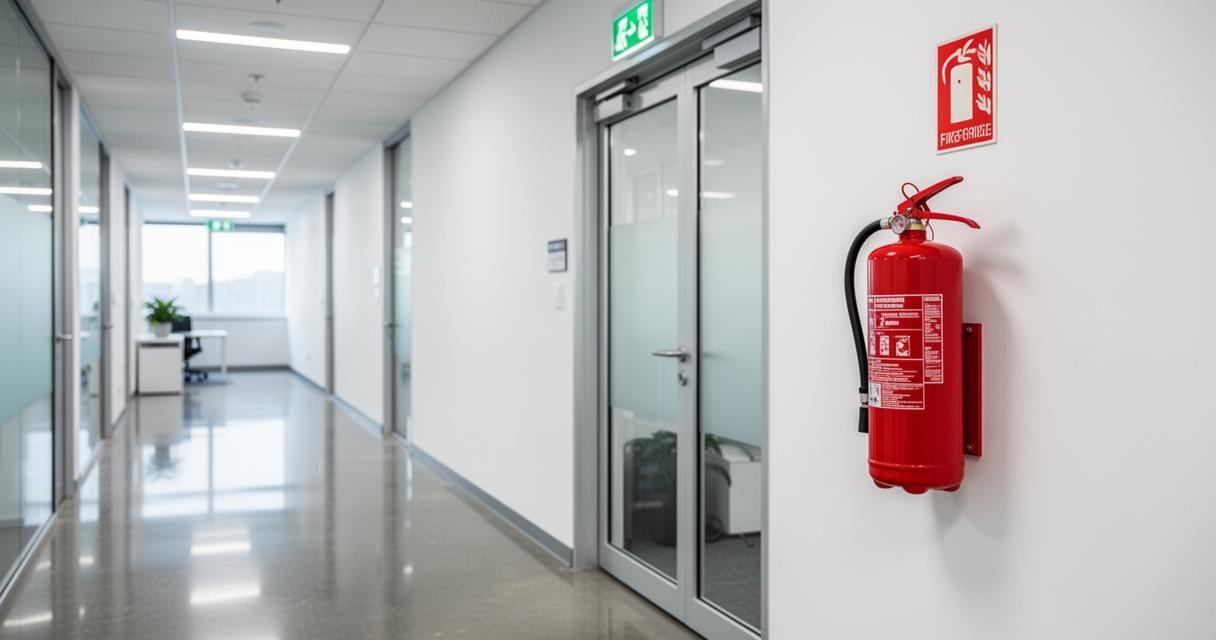
Positioning matters just as much as type. An extinguisher that cannot be reached quickly in an emergency offers little practical benefit. Extinguishers should be mounted on walls at accessible heights, placed near exits and in areas of elevated risk, and clearly indicated with appropriate fire safety signage. In commercial premises, a thorough fire risk assessment will identify the most appropriate locations. Accessibility and visibility should never be compromised, and pathways to extinguishers must remain free of obstruction at all times.
Keeping your fire extinguisher in good working order

Owning a fire extinguisher is only half the responsibility. Ensuring it remains fully functional requires consistent attention, from informal visual checks to formal professional servicing. Fire extinguisher maintenance is not simply good practice, in many settings across the UK, it is a legal obligation.
Routine checks and maintenance steps every owner should follow
A monthly fire safety inspection carried out by the responsible person should cover several key areas. The pressure gauge must be within the recommended range, the hose and nozzle should be free from damage or blockage, the tamper seal must be intact, and the extinguisher itself should show no signs of corrosion, denting, or physical deterioration. Signage should be clearly visible, and the unit must be easily accessible. This kind of visual inspection checklist approach helps catch problems early before they compromise the equipment’s reliability. Beyond monthly checks, an annual fire extinguisher service performed by a competent person (typically a qualified fire safety technician) is required under British Standard 5306-3:2017. This annual visit involves a thorough inspection, weighing the extinguisher, and recharging it if necessary, ensuring fire safety compliance with UK regulations.
When to Service, Replace or Dispose of a Fire Extinguisher Safely
Extended service intervals apply to certain extinguisher types. Water, powder, foam, and wet chemical extinguishers require an extended service every five years, whilst CO2 extinguishers are subject to a hydrostatic pressure test and valve replacement every ten years. It is worth noting that defects are not always visible to the untrained eye, seals, valves, and levers can deteriorate silently over time, which is why professional fire extinguisher testing remains indispensable. Purchasing second-hand extinguishers is inadvisable for precisely this reason, as hidden faults may render them ineffective or even dangerous. When an extinguisher reaches the end of its serviceable life, fire extinguisher disposal must be handled responsibly. Expired or damaged units should be taken to a certified waste management service, and business owners are legally required to dispose of commercial waste (including extinguishers) in accordance with applicable fire safety legislation. Under the Regulatory Reform (Fire Safety) Order 2005, failure to maintain adequate fire safety equipment can result in significant financial penalties. Finally, fire extinguisher training should be provided to all employees or household members so that everyone knows how to operate the equipment should an emergency occur. Even the best-maintained extinguisher is of limited use in the hands of someone who has never been shown how to deploy it safely.